From:
€495.00
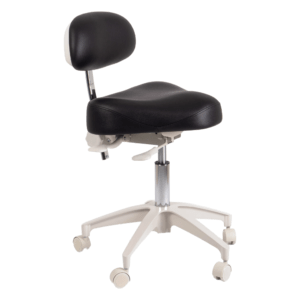
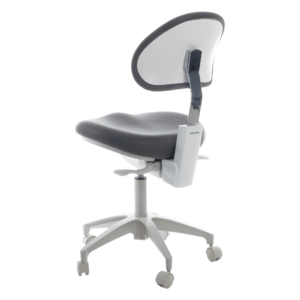
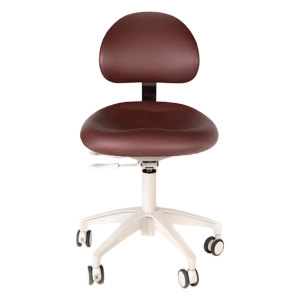
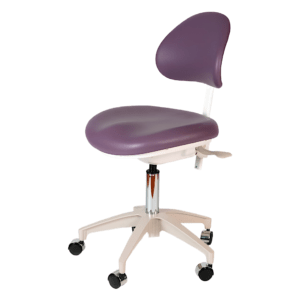
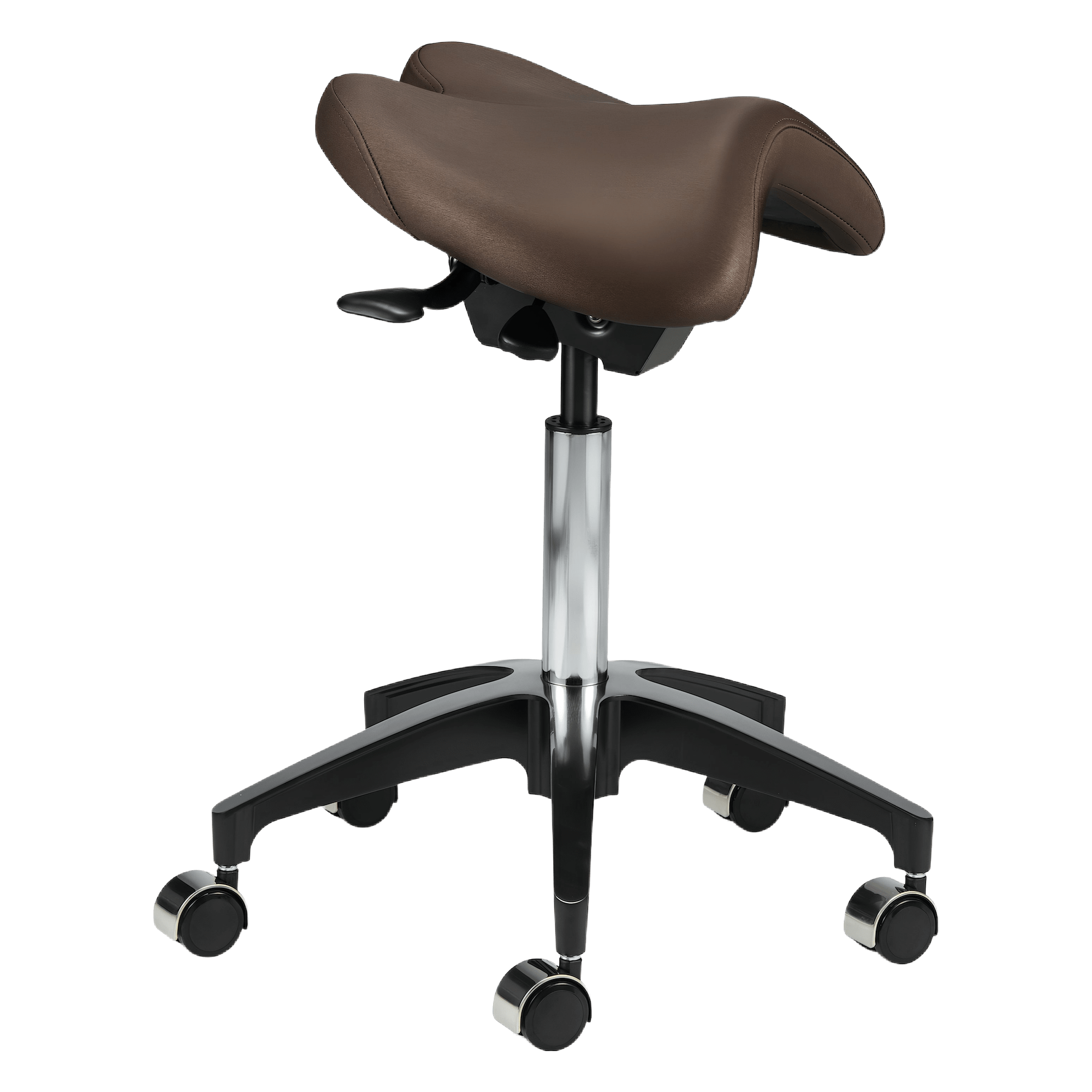
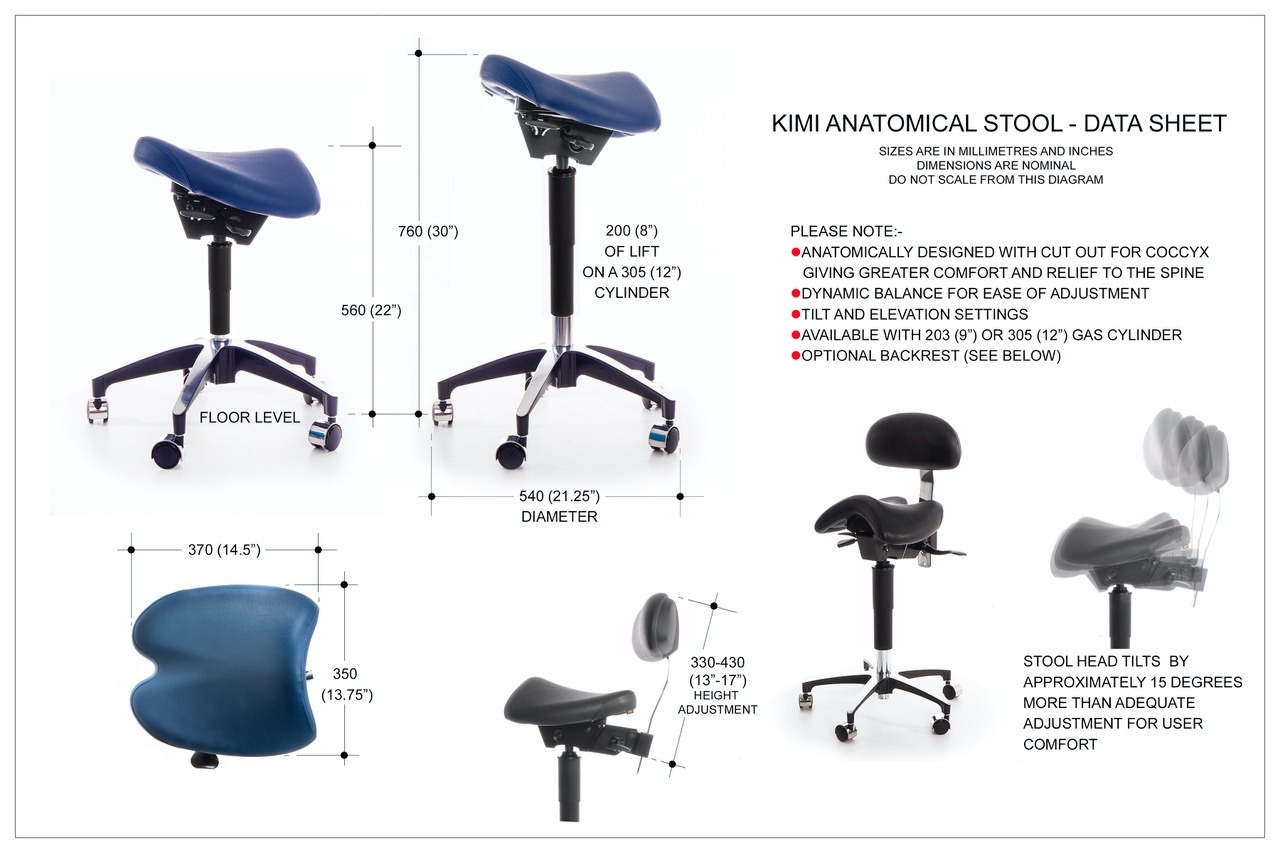
Kimi is a specially designed ergonomic stool that is especially effective and extremely versatile. Available from stock in Classic Black or Atlantis Blue. Custom colours available to order.
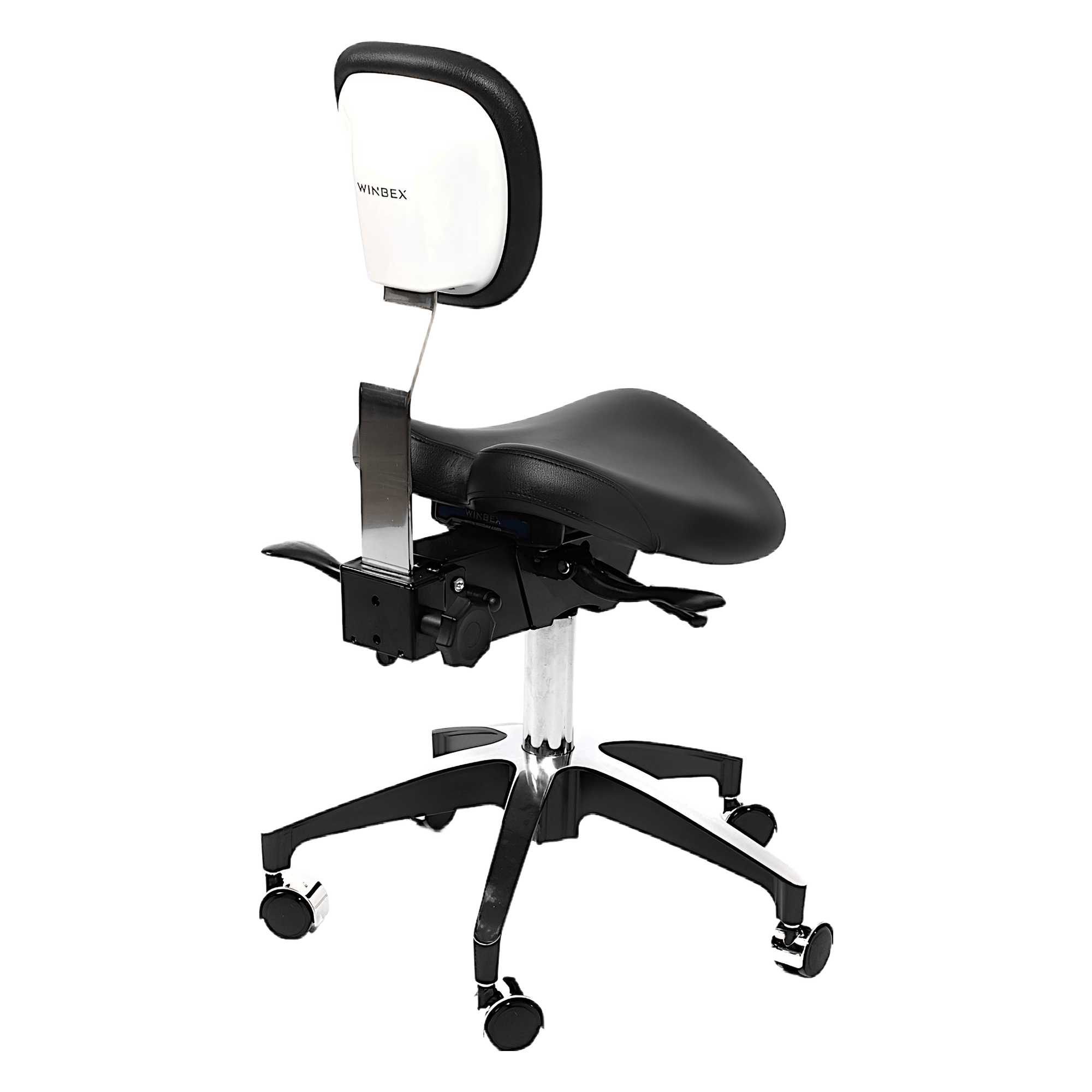
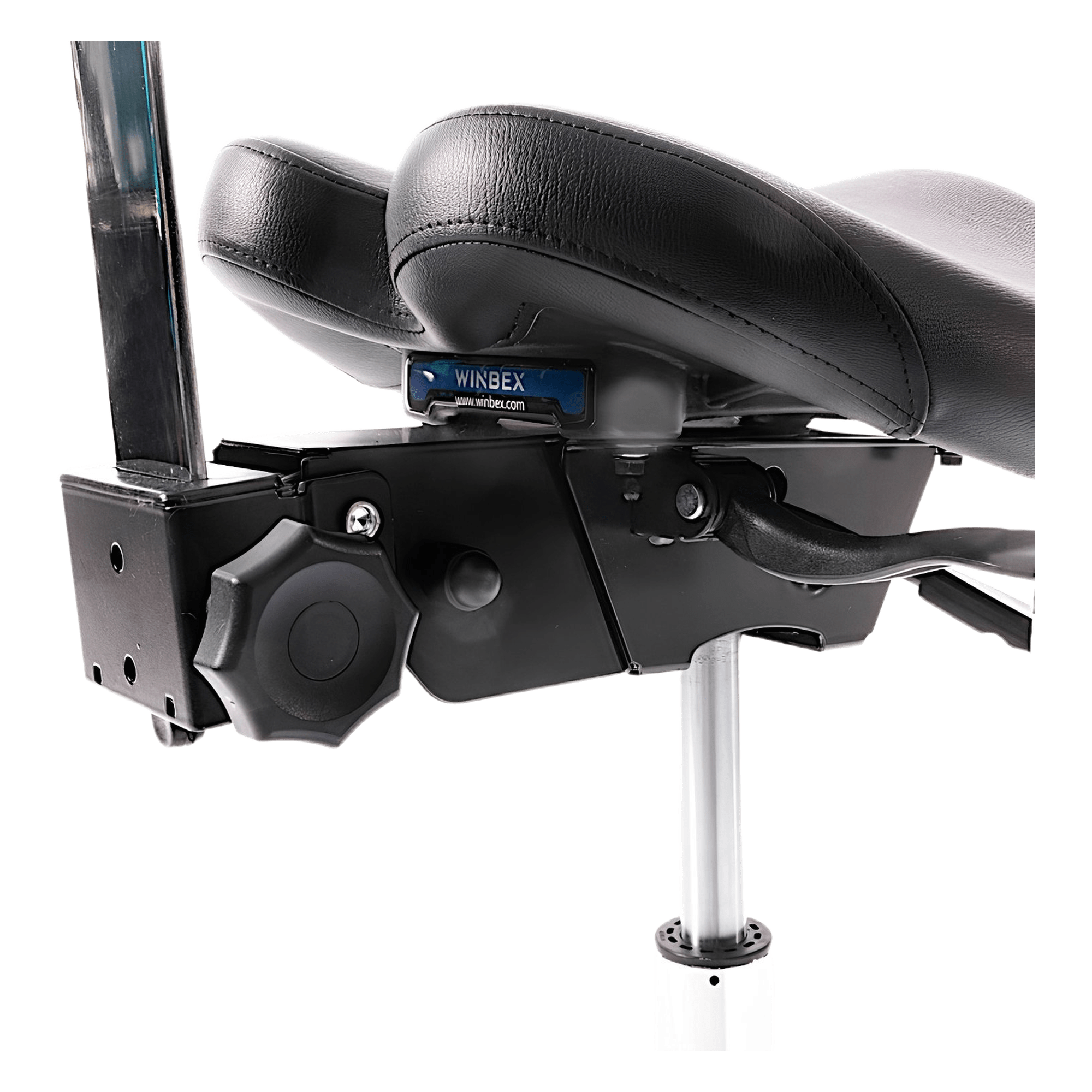
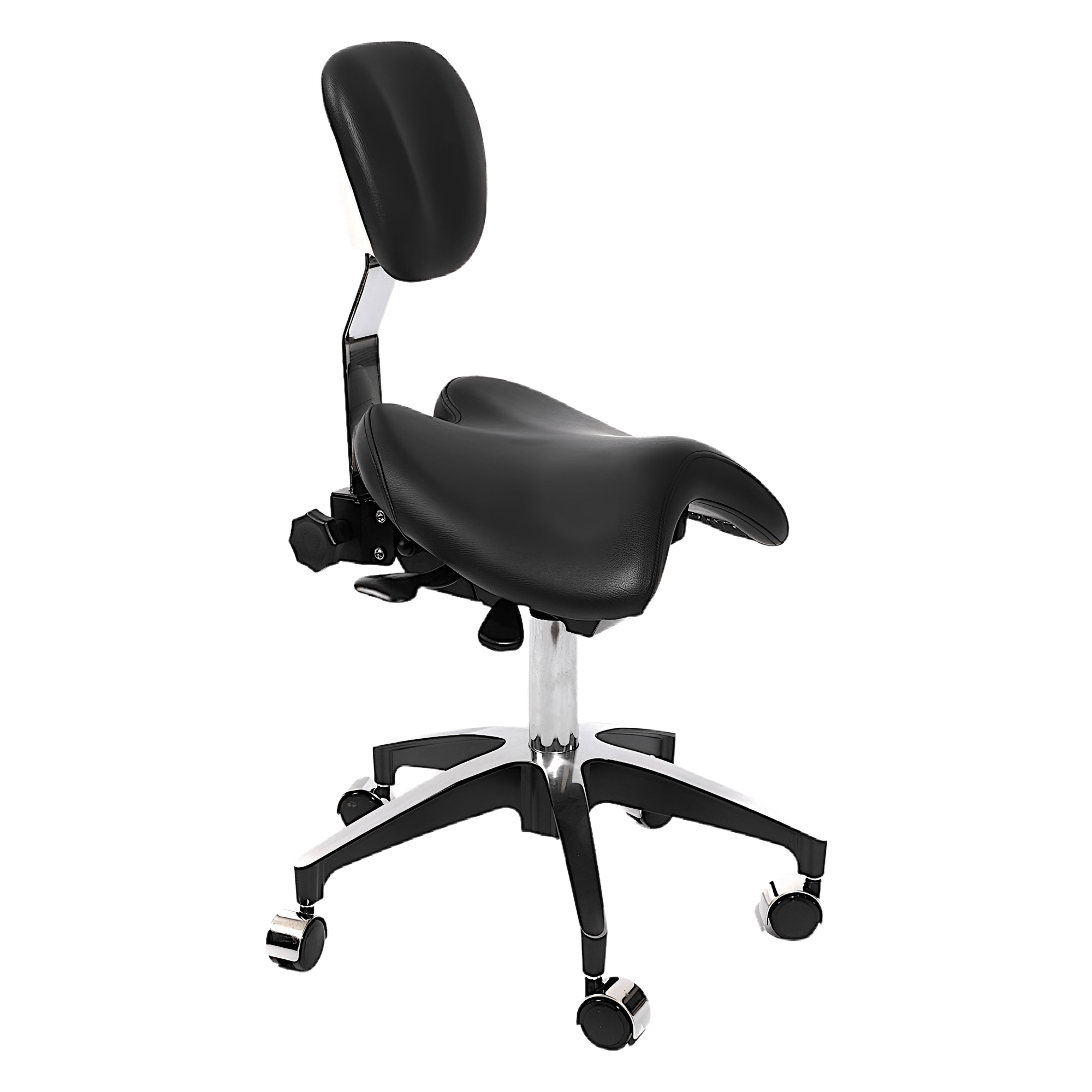
Shown above with the optional back pad (£150) Other Options available at additional cost are shown below
In stock
The designers and ergonomists at WBX have been hard at work on their next model of anatomical saddle stools…. following on from the worldwide success of the Ascot saddle we are pleased to announce the creation of our new KIMI saddle.
Working with our worldwide customers and medical/dental practitioners we were asked to create a saddle stool that had all the ergonomic benefits but in addition helped to improve the metabolism of the lower discs and specifically the coccyx. bone which is often referred to as the “tail” bone at the very bottom of the spine. There are many people that can’t bear to have any pressure put directly onto their coccyx which can become worsened with continuous sitting; this condition could have been caused by a previous injury or a medical ailment.
Our brief was to alleviate any pressure build up specifically around the coccyx area over continuous sitting….
We have achieved this by making the new KIMI saddle with an anatomical cut out at the rear to increase air flow and blood circulation which removes direct contact with the coccyx bone whilst sitting…. the coccyx bone is 100% free from any pressure point and the new design stabilises the pelvis automatically relieving stress on the lumbar discs and spine. The curvature at the front has been slightly widened which has resulted in a truly anatomical saddle stool for the professional operator.

The coccyx refers to the last few vertebrae at the bottom of the Spine. The name “coccyx” comes from the Greek word meaning “cuckoo” referring to the beak-like curved shape of the coccyx, which points towards the front of the body.
The coccyx is made up of three small, loosely fused bones that are attached to the sacrum and located just above the cleft of the buttocks. It is sometimes called the ‘tailbone’ because it’s considered by some to be the remnant of the full tail of our ape-like ancestors.
Coccydynia
Coccydynia refers to discomfort and pain caused by damage to the coccyx/ tailbone
This is an uncommon condition and it’s estimated that approximately 1 in 100 cases of lower back pain is the result of coccydynia. Pain can range from mild to severe and usually worsens when sitting down because pressure is applied directly to the tailbone area.
Extensive trials have proved that sitting on the WBX “Kimi” saddle whilst working has improved discomfort in the majority of cases suffering from cocccydynia……. but don’t take our word for it….. try it you yourself….
Coccydynia causes
Women are five times more likely to develop coccydynia than men. This is because a woman’s pelvis is wider and the coccyx is more exposed and vulnerable to injury. Giving birth is believed to be the most common cause of coccydynia.
During pregnancy the coccyx becomes more flexible to allow more room for birth. However, in some cases, the muscles are overstretched and permanently alter, so that the coccyx is no longer supported, triggering coccydynia.
Other causes include:
A fall against a hard surface in the seated position, such as a fall from a horse
A direct blow to the coccyx, such as in contact sports
Straining or dislocating the coccyx. This can happen due to poor posture while driving, or repetitive injury from sports such as rowing or cycling
Being overweight or obese may put excess pressure on the coccyx
Being underweight may create less cushion for the coccyx
Ageing causes the cartilage that holds the coccyx to wear down or the bones can become fused
Cancer can occasionally spread to and affect the coccyx
Other less common injuries include bone spurs, nerve compression, infection and tumours. No clear cause can be found in about a third of cases.
Top quality, tough upholstery material is available in a wide range of colours – see chart
The Coccyx does have useful functions, including:
1] Weight-bearing when sitting down.
2] Serving as an important attachment area for various muscles, tendons and ligaments
Coccydynia
Coccydynia refers to discomfort and pain caused by damage to the coccyx/ tailbone
This is an uncommon condition and it’s estimated that approximately 1 in 100 cases of lower back pain is the result of coccydynia. Pain can range from mild to severe and usually worsens when sitting down because pressure is applied directly to the tailbone area.
Extensive trials have proved that sitting on the WBX “Kimi” saddle whilst working has improved discomfort in the majority of cases suffering from cocccydynia……. but don’t take our word for it….. try it you yourself….
Coccydynia causes
Women are five times more likely to develop coccydynia than men. This is because a woman’s pelvis is wider and the coccyx is more exposed and vulnerable to injury. Giving birth is believed to be the most common cause of coccydynia.
During pregnancy the coccyx becomes more flexible to allow more room for birth. However, in some cases, the muscles are overstretched and permanently alter, so that the coccyx is no longer supported, triggering coccydynia.
Other causes include:
| Cylinder height | 140mm, 150mm, 200mm |
|---|---|
| Upholstery Colour | Atlantis Blue, Black |

If you would like to find out more about this product, enquire about UK delivery or find out about our volume ordering options, please fill in our quick product enquiry form and we will do our best to get back to ASAP.